






Enterprise organizations and commercial property developers are navigating a transformative period in modern energy management, marked by fluctuating grid utility rates, regulatory decarbonization mandates, and heightened stakeholder expectations around corporate sustainability. To maintain operational resilience, manage bottom-line risk, and establish predictable operating expenses, corporate leaders are increasingly investing in capital infrastructure that generates reliable, clean power on-site. Commercial solar installations have emerged as a premier strategic investment, offering tangible economic returns alongside measurable reductions in corporate carbon footprints across diverse industrial and commercial sectors.
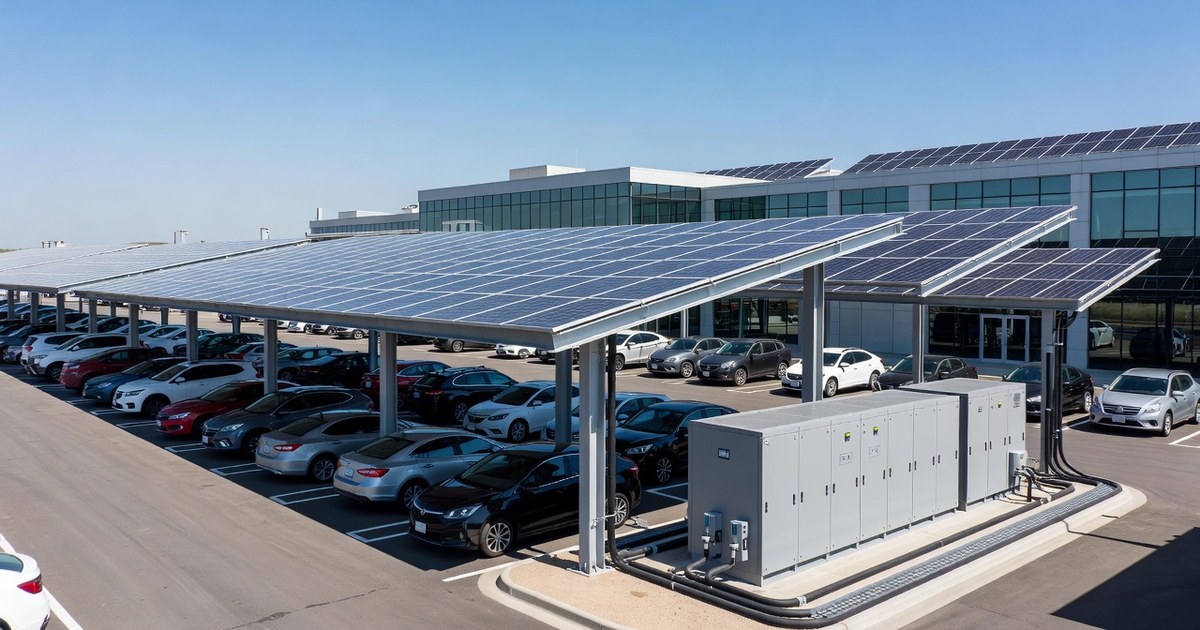
Modern commercial energy strategies extend well beyond traditional rooftop photovoltaic arrays. While rooftop systems remain a standard option, many commercial real estate assets present structural constraints, such as limited load-bearing roof capacity, membrane warranty vulnerabilities, complex HVAC obstructions, or high concentrations of rooftop mechanical equipment. To overcome these physical hurdles, leading enterprises are turning toward innovative canopy and ground-mount configurations. Deploying SolarPorts commercial solar solutions allows commercial enterprises to convert sprawling parking lots and unused land parcels into high-efficiency clean power generation assets. These multi-functional canopy structures provide shaded, weather-protected vehicle parking while producing megawatts of clean electricity right where it is consumed by the facility.
The financial architecture supporting commercial solar deployment has matured significantly in recent years. Favorable federal incentives, including the Investment Tax Credit (ITC) and elective direct pay mechanisms, paired with Modified Accelerated Cost Recovery System (MACRS) depreciation schedules, provide substantial upfront tax advantages. These financial levers drastically compress the capital payback timeline, transforming capital expenditures into high-yielding, predictable assets. In addition, producing power on-site shields businesses from volatile retail electricity rates and escalating peak-demand surcharges imposed by regional utility providers throughout the year.
Energy resilience and reliability are equally critical considerations for modern commercial facilities. Critical operations across healthcare, logistics, cold storage, advanced manufacturing, and data processing cannot afford power interruptions or brownouts. By pairing commercial solar canopies with commercial battery energy storage systems (BESS), organizations establish self-contained microgrid capabilities. During normal daily operations, smart storage systems perform peak shaving and energy arbitrage, discharging stored solar energy during peak demand windows to avoid excessive utility rates. During unexpected utility outages, the combined solar and storage system can automatically isolate from the grid to maintain continuous power for mission-critical facility operations.
Commercial solar canopies also provide the ideal structural and electrical foundation for modern electric vehicle (EV) charging infrastructure. As workplace vehicle fleets and employee transportation shift rapidly toward electric powertrains, the demand for accessible on-site charging stations is surging nationwide. Integrating Level 2 and DC Fast Charging hardware directly into solar canopy uprights allows businesses to power EV fleets directly from solar generation, avoiding heavy strain on the local municipal grid. This capability delivers a highly visible amenity for tenants, clients, and employees while reinforcing the organization's progressive brand identity and sustainability commitments.
Executing an enterprise-grade solar infrastructure project demands specialized engineering, architectural coordination, and meticulous construction management. Turnkey providers handle every phase of development—including geotechnical soil testing, structural steel fabrication, high-voltage electrical engineering, local zoning permits, and complex utility interconnection agreements. By partnering with dedicated commercial solar specialists, property owners ensure their installations meet rigorous structural standards, local wind-load tolerances, and seismic safety requirements without disrupting active business operations.
In addition to immediate utility bill reductions, commercial solar installations substantially enhance overall property marketability and commercial real estate appraisal values. Prospective commercial tenants and institutional buyers increasingly prioritize properties equipped with sustainable infrastructure and energy-efficient amenities. By reducing long-term common area maintenance costs and demonstrating concrete ESG progress, commercial properties equipped with solar canopies consistently command higher lease rates, longer tenant retention, and superior capitalization rates.
Ultimately, investing in commercial solar power is a proven strategy for securing long-term economic predictability, enhancing commercial real estate portfolio asset value, and demonstrating clear sustainability leadership. As commercial energy demands continue to expand, organizations that proactively build decentralized, resilient solar infrastructure will maintain a decisive competitive advantage in operational efficiency, regulatory compliance, and environmental stewardship for decades to come.